WAIT!
Don’t leave empty-handed! Grab this FREE survival & DIY guide!
Learn how to build a pro-level workshop, slash bills, and prep for any crisis even if you’re a beginner.
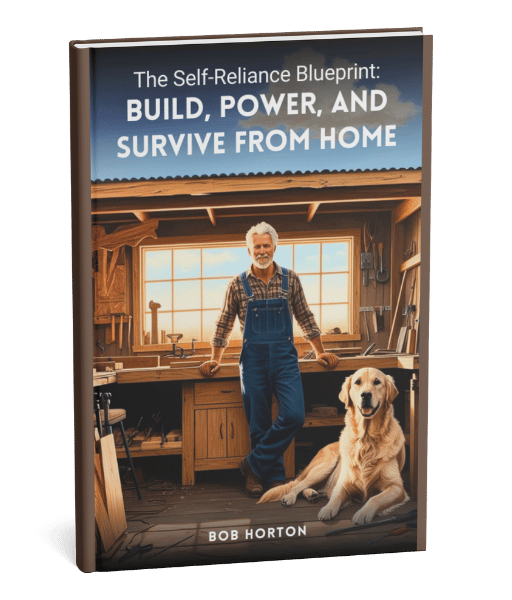
Get prepped, powered, and self-reliant starting today.


The Ultimate Guide to Finding the Best Preppers Website for Survival Planning

Prepping isn’t just about stockpiling supplies—it’s about having the right knowledge and resources at your fingertips. A well-built preppers website acts as a central hub for survival planning, offering practical guides, gear reviews, and community insights. Whether you’re new to preparedness or a seasoned expert, these platforms provide clarity in an unpredictable world.
The best preppers websites save time by curating reliable information so you can focus on what matters: staying ready. They cover everything from food storage to crisis communication, helping you build a clear, actionable plan. If you’re serious about self-reliance, a trusted resource makes all the difference.
Check out this video about preppers websites for a deeper look at how they function as community resources. These platforms help build connections while focusing on real-world solutions. If you're serious about self-reliance, a preppers website is worth exploring.
Core Features of a Preppers Website
A well-designed preppers website doesn’t just share information—it becomes a survival toolkit. The best platforms combine expert-backed research, real-world testing, and community-driven insights to help users stay prepared. Here are the key features that set top-tier prepper sites apart.
Forums and Community Engagement
Survival isn’t a solo mission. A strong preppers website builds a space where users exchange firsthand experiences, troubleshoot problems, and learn from each other. Active forums allow beginners to ask questions and veterans to share advanced strategies.
Key elements of a thriving prepper community include:
- Moderated discussions to filter misinformation.
- Regional threads for location-specific threats.
- Expert AMAs (Ask Me Anything) for direct advice.
Comprehensive Gear Reviews
Not all gear is built for survival. Reliable sites test products in real-world conditions—freezing temperatures, heavy rain, prolonged use—and publish unbiased results. They often break down:
- Durability: How well equipment holds up under stress.
- Usability: Clear pros and cons for different skill levels.
- Value: Cost versus long-term reliability.
Look for side-by-side comparisons and video demonstrations to make informed decisions.
Step-by-Step Survival Guides
Theory means little without application. The best guides use straightforward language, photos, and troubleshooting tips to walk users through critical skills.
Examples include:
- Building a 72-hour emergency kit.
- Purifying water without modern tools.
- Securing shelter in extreme weather.
Tutorials should offer variations for urban and wilderness scenarios, ensuring no one is left unprepared.
How to Choose the Right Preppers Website
With countless survival websites claiming authority, finding one that truly delivers reliable information is essential. A trustworthy preppers website provides accurate, timely, and practical advice without sensationalism. Here’s how to identify a resource worth your time.
Assessing Credibility and Expertise
Not all sources are equal. Look for websites run by experienced preppers, military personnel, or survival instructors. Credible sites often feature:
- Author biographies detailing real-world experience in emergency preparedness.
- Citations from experts like bushcraft instructors or medical professionals.
- Transparency about testing methods for gear and techniques.
If a site lacks verifiable credentials or relies on vague claims, move on.


Frequency of Content Updates
Survival strategies evolve, and outdated advice can be dangerous. The best preppers websites regularly publish new content, reflecting:
- Emerging threats (e.g., changes in climate or civil unrest).
- Updated gear reviews as manufacturers improve their products.
- Seasonal preparedness tips, such as winter power outages or hurricane readiness.
Check the publication dates of recent posts—if the latest article is over six months old, the site may not prioritize current information.
User Reviews and Testimonials

A platform’s community holds clues about its trustworthiness. Search for:
- Independent reviews on forums like Reddit or survivalist groups.
- Testimonials from users who applied the site’s advice in real emergencies.
- Patterns in feedback—consistent complaints about inaccuracies are a red flag.
If a site discourages criticism or censors negative comments, consider it a warning sign.
Best Practices for Using a Preppers Website
A preppers website is only as useful as how you engage with it. Knowing how to navigate, discuss, and apply information effectively turns a passive resource into an active survival tool. Here’s how to make the most of these platforms without wasting time or risking misinformation.
Engaging in Discussions and Sharing Knowledge
The community aspect of a preppers website separates it from static guides. Active participation sharpens your skills and exposes you to real-world scenarios you might not have considered.
- Ask detailed questions: Vague posts get vague answers. Instead of “What’s the best survival knife?” try “Which fixed-blade knives handle wet conditions best?” Specificity invites actionable advice.
- Share experiences: If you’ve tested a gear hack or faced a unique challenge, post about it. Others learn from failures and successes alike.
- Respect differing viewpoints: Urban preppers and wilderness survivalists often have contrasting methods. Debates should stay constructive—dogma helps no one.
Verifying Information Before Application
Not all advice online is safe or effective. Cross-checking prevents fatal assumptions, especially for medical, food safety, or defense tactics.
- Check sources: Does the post cite a doctor, military manual, or peer-reviewed study? Anonymous claims require extra scrutiny.
- Test small-scale first: Before relying on a water purification method during a crisis, try it during a weekend camping trip.
- Watch for consistency: If three trusted members confirm a tip, it’s likely reliable. Outliers might be risky experiments.
A preppers website is a tool, but your judgment determines its effectiveness. Engage critically, share transparently, and always verify.
Always prioritize safety over speed—skipping verification can turn a survival tactic into a hazard.
Common Mistakes to Avoid on Preppers Websites

A preppers website can be an invaluable resource, but trusting the wrong information or skipping critical steps can lead to dangerous gaps in your survival plan. Avoiding these mistakes ensures your preparation stays grounded in reality, not theory.
Trusting Unverified or Outdated Information
False claims spread quickly in survival circles. A preppers website filled with untested advice risks lives when stakes are high. Look for these red flags:
- No sourcing: Claims about medical treatments or gear performance should cite experts, military manuals, or peer-reviewed studies.
- Contradictions: If a water purification method conflicts with CDC guidelines, question its validity.
- Dated techniques: Old posts on topics like food preservation might ignore modern best practices.
Cross-check any advice against reputable sources before relying on it. If a platform discourages skepticism, find one that welcomes scrutiny.
Ignoring Practical Skill Development
Stockpiling gear means little if you can’t use it effectively. Many preppers websites emphasize buying products over mastering techniques, creating a false sense of security.
Focus on building these foundational skills:
- Fire-starting: Matches fail. Practice with flint, ferro rods, and friction methods.
- Navigation: GPS devices can die. Learn to read topographic maps and use a compass.
- First aid: A med kit only helps if you know how to splint a fracture or stop severe bleeding.
Skill-building takes time, but it’s the difference between surviving and struggling. Prioritize hands-on practice over passive consumption of content.
Top Recommended Preppers Websites
Finding the right preppers website can streamline your survival planning with expert-backed guidance and tested strategies. Below, we break down leading platforms and niche-specific sites that deliver actionable advice without the fluff.
Reviews of Leading Platforms
The best preppers websites offer a mix of reliable gear reviews, community forums, and step-by-step survival tutorials. These platforms stand out for their depth and credibility:
- The Survivalist Blog: Known for thorough gear testing and crisis scenario guides. Their team includes former military personnel and wilderness experts.
- Survival Sullivan: Focuses on practical skills, from food preservation to home defense, with a no-nonsense writing style.
- Prep School Daily: Covers long-term preparedness, including homesteading and off-grid living, with detailed monthly checklists.
Each site excels in different areas, so your choice depends on whether you prioritize gear, skills, or long-term planning.


Niche-Specific Recommendations
Not all preppers have the same needs. Whether you're preparing for urban collapse or wilderness isolation, these niche sites deliver focused advice:
- Urban Survival Site: Tailored for city dwellers, with tips on securing apartments, bug-out bags for public transport, and low-profile food storage.
- Backdoor Survival: Specializes in gear for women and older adults, reviewing lightweight equipment and accessible survival tactics.
- The Organic Prepper: Merges traditional prepping with sustainability, covering permaculture, herbal medicine, and eco-friendly bug-out strategies.
Smaller forums and newsletters often provide hyper-local insights too. Check regional subreddits or Facebook groups for location-specific threats like wildfires or flooding.
Conclusion
A preppers website is more than a collection of tips—it’s a lifeline when planning for the unexpected. The right platform saves time, reduces guesswork, and connects you with proven strategies. Trustworthy sites cut through noise with expert-tested gear reviews, step-by-step guides, and active communities that share real-world experience.
Choosing wisely means prioritizing credibility, fresh content, and practical skills over hype. Now is the time to act. Explore the recommended sites, engage with their resources, and start building a plan that works. Your preparedness starts with the right knowledge.





See other posts like this one:







Your home for DIY projects, off-grid solutions,
and real-world craftsmanship.
Contact
support@charliesworkshop.net
© 2025 Charlie's Workshop