WAIT!
Don’t leave empty-handed! Grab this FREE survival & DIY guide!
Learn how to build a pro-level workshop, slash bills, and prep for any crisis even if you’re a beginner.

Get prepped, powered, and self-reliant starting today.


Why a Pretreatment Septic System Works Better Than Conventional Options

A pretreatment septic system is the smart upgrade your home’s wastewater setup has been waiting for. Unlike conventional systems, it tackles waste more efficiently, reducing clogs and maintenance headaches. In this post, we’ll break down how it works and why it outperforms older options. You’ll walk away with a clear understanding of its benefits—and whether it’s right for your property.
Modern homes demand smarter solutions, and pretreatment systems deliver. Let’s get into the details.
What Is a Pretreatment Septic System?
A pretreatment septic system doesn’t just handle wastewater—it refines it before it even reaches your drain field. Think of it as putting your waste through a high-efficiency filtration system so your soil and groundwater stay cleaner. These systems break down solids more aggressively than traditional setups, reducing clogs and extending the life of your drain field.
Key Components of a Pretreatment Septic System
Pretreatment systems rely on specialized parts to filter and treat wastewater before it leaves the tank. Here’s what makes them work:
- Screens and filters: Catch solids early, preventing them from clogging pipes or the drain field. Some systems use mesh or fine-grade filters for extra protection. Some systems use effluent filters to catch fine particles.
- Aerobic treatment units (ATUs): Use oxygen to speed up bacterial breakdown, making wastewater cleaner before it exits. These are common in areas with strict environmental rules.
- Baffles and partitions: Separate sludge and scum so only partially treated liquid moves to the next stage. This keeps solids from escaping too soon.
Each component targets a different weakness in conventional systems, turning weak points into strengths.
How Pretreatment Septic Systems Differ from Traditional Systems
Traditional systems let wastewater sit in a tank, relying on gravity and bacteria to do all the work. Pretreatment septic systems take a more hands-on approach:
- Efficiency: They break down waste faster, reducing how often you’ll need pumping.
- Environmental impact: Treated water is cleaner, lowering the risk of groundwater contamination.
- Maintenance: Filters and ATUs need occasional checks, but they prevent costly drain field failures.
Where old systems leave sludge to accumulate, pretreatment systems tackle the problem head-on. The result? Fewer surprises and a longer lifespan for your entire setup.
Benefits of a Pretreatment Septic System
Upgrading to a pretreatment septic system isn’t just about better wastewater management—it’s about long-term benefits for your property, wallet, and the environment. These systems tackle waste more efficiently, reducing headaches while keeping your surroundings cleaner. Let’s break down the top advantages.
Environmental Impact of Pretreatment Systems
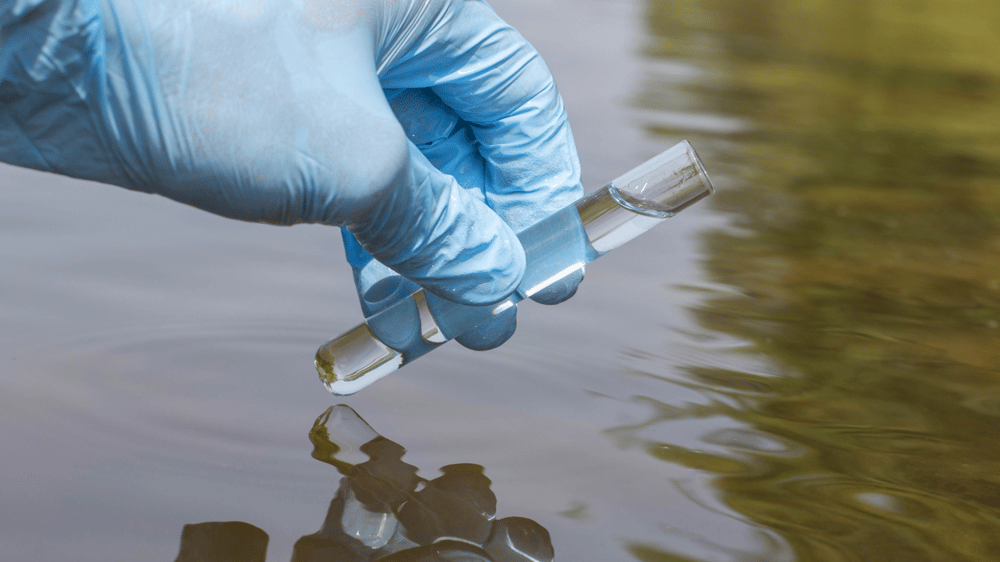
Pretreatment systems don’t just move wastewater along—they actively clean it before it reaches your drain field. By filtering solids and using oxygen to speed up bacterial breakdown, they cut pollution risks dramatically.
Here’s how they help:
- Cleaner groundwater: Fewer solids and less untreated waste seep into the soil, protecting nearby wells and streams.
- Reduced nitrogen levels: Advanced systems strip out excess nitrogen, a common contaminant that harms aquatic life.
- Smaller drain field footprint: Because the wastewater is pre-treated, your drain field doesn’t work as hard, preserving soil health.
Unlike traditional setups that rely on passive decomposition, a pretreatment septic system takes control of the process. That means fewer environmental risks and better protection for your property.
According to Septic Blue Raleigh, pretreatment tanks play a crucial role in protecting sensitive ecosystems by ensuring cleaner wastewater disposal.
Cost Savings Over Time
While pretreatment systems cost more upfront, they save money in the long run. How? By preventing the expensive problems that plague conventional systems.
Consider this:
- Fewer pump-outs: Because solids break down faster, you’ll need service calls less often.
- No drain field replacements: Clogged drain fields can cost thousands to fix. Pretreatment systems avoid this by catching solids early.
- Longer system lifespan: With less strain on your tank and pipes, the entire setup lasts decades with minimal repairs.
Think of it like buying a car with a better engine—you pay more upfront, but the maintenance costs drop. Over 10-15 years, that adds up to serious savings.
Upgrading isn’t just about doing less maintenance. It’s about avoiding the big, unexpected bills that come with older systems.


Applications of Pretreatment Septic Systems
A pretreatment septic system isn't limited to one-size-fits-all use. Its adaptability makes it a practical solution for homes, businesses, and industries dealing with wastewater. Whether you need a reliable system for a rural household or a high-capacity setup for commercial demands, pretreatment technology steps up where conventional systems fall short.
Residential Use
For homes—especially in rural or suburban areas—a pretreatment septic system offers a cleaner, lower-maintenance alternative to traditional setups. It’s ideal for properties with:
- Limited space: Smaller drain fields work better because the wastewater is pre-filtered.
- Poor soil conditions: Sandy or clay-heavy soil struggles with conventional systems but handles pretreated liquid more efficiently.
- Environmental concerns: If you rely on well water or live near bodies of water, pretreatment reduces contamination risks.
Families benefit from fewer pump-outs, no surprise clogs, and peace of mind knowing their system won’t flood the yard with untreated waste.
Commercial and Industrial Use
Businesses and industries generate more wastewater—and a pretreatment septic system is built to handle the load. Restaurants, laundromats, and manufacturing plants use these systems to:
- Manage high volume: Aerobic treatment units (ATUs) break down grease, chemicals, and solids faster than passive tanks.
- Meet regulations: Many industries face strict wastewater standards. Pretreatment ensures compliance by reducing pollutants before discharge.
- Cut long-term costs: Avoiding drain field failures saves thousands in emergency repairs and fines.
From a small bakery to a large auto shop, these systems keep operations running smoothly without wastewater hassles.
Maintenance and Care for Pretreatment Septic Systems
Keeping your pretreatment septic system running smoothly isn’t complicated—but skipping maintenance can turn small issues into expensive disasters. Unlike conventional systems, pretreatment units have filters, pumps, and advanced components that need occasional attention. Stay on top of these tasks, and your system will protect your property for decades.
Regular Maintenance Tasks
A pretreatment septic system relies on specific parts working together. Here’s what to check—and when:
- Filter cleaning: Most systems have mesh or screen filters that trap solids. Rinse them every 3-6 months to prevent clogs. A clogged filter forces wastewater backward, risking leaks.
- Pump inspections: If your system uses an aerobic treatment unit (ATU) or pump, test it annually. Listen for odd noises, check for leaks, and ensure alarms (if installed) work.
- Sludge removal: Even with faster breakdown, sludge builds up over time. Schedule a professional pump-out every 3-5 years, depending on household size.
Set reminders for these tasks. Skipping them is like ignoring an oil change—your system will pay the price eventually.

Signs of System Failure
Generators fail when pushed beyond their limits. Prevent these issues:
- Slow drains: If sinks or showers drain slower than usual, your filters or pipes might be blocked.
- Foul odors: Strong sewage smells near the tank or drain field signal trapped gases or untreated waste escaping. Strong smells near the tank or drain field often mean untreated sewage is surfacing. This could signal a pump failure or clogged media filter. Address odors immediately.
- Pooling water: Puddles near the tank or ATU mean excess water isn’t draining properly.
If you notice any of these, act fast. Turn off water use, check for clogged filters, and call a professional if the issue persists. Small problems fix easily—if you catch them early. Ignoring them risks damage to your drain field, which costs far more to repair.
A well-maintained pretreatment septic system needs less work than a traditional one. But it still demands your attention. Treat it right, and it’ll return the favor.
Choosing the Right Pretreatment Septic System
Picking the right pretreatment septic system isn’t just about buying the first one you find—it’s about matching the system to your property, budget, and long-term needs. A well-chosen system means fewer headaches down the road. Here’s how to make a smart decision.

Factors to Consider Before Installation
Before you commit to a pretreatment septic system, think through these key points:
- System capacity: Measure your household’s daily water use. A family of four needs a larger tank than a couple. Oversizing wastes money, while undersizing risks overflows.
- Soil and space: Clay soils drain slowly, while sandy soils drain fast. Your installer should test percolation rates to size the drain field correctly. Tight lots may need compact designs.
- Upfront costs vs. long-term savings: A basic aerobic unit costs more than a conventional tank, but you’ll save on pump-outs and drain field repairs over 20+ years.
- Local regulations: Some areas ban certain systems or require permits. Check rules before buying to avoid fines or rework.
Your goal? A system that fits your land, budget, and water needs without cutting corners.
Consulting with Professionals
A pretreatment septic system isn’t a DIY project. Licensed installers and engineers spot problems you might miss, like:
- Hidden soil issues: A pro conducts percolation tests to confirm your soil can handle treated wastewater.
- Code compliance: They’ll ensure your system meets local health and environmental standards—critical for passing inspections.
- Maintenance plans: Experts recommend service schedules based on your system type, preventing costly surprises.
Skip the guesswork. A few hours with a professional now can save thousands in emergency fixes later.

Conclusion
A pretreatment septic system solves problems conventional setups can't touch. It filters waste better, protects your drain field, and cuts long-term costs—all while keeping groundwater cleaner. Whether you're a homeowner tired of pump-outs or a business facing strict wastewater rules, this upgrade delivers real benefits with less hassle.
Ready to see if a pretreatment septic system fits your property? Talk to a local installer and explore how it could work for you. Your future self—and your plumbing—will thank you.







Your home for DIY projects, off-grid solutions,
and real-world craftsmanship.
Contact
support@charliesworkshop.net
© 2025 Charlie's Workshop