WAIT!
Don’t leave empty-handed! Grab this FREE survival & DIY guide!
Learn how to build a pro-level workshop, slash bills, and prep for any crisis even if you’re a beginner.
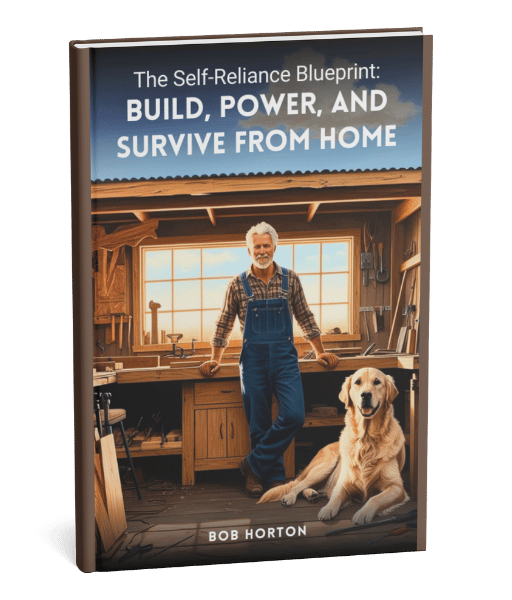
Get prepped, powered, and self-reliant starting today.


Woodworking at Home: A Practical Guide for Beginners
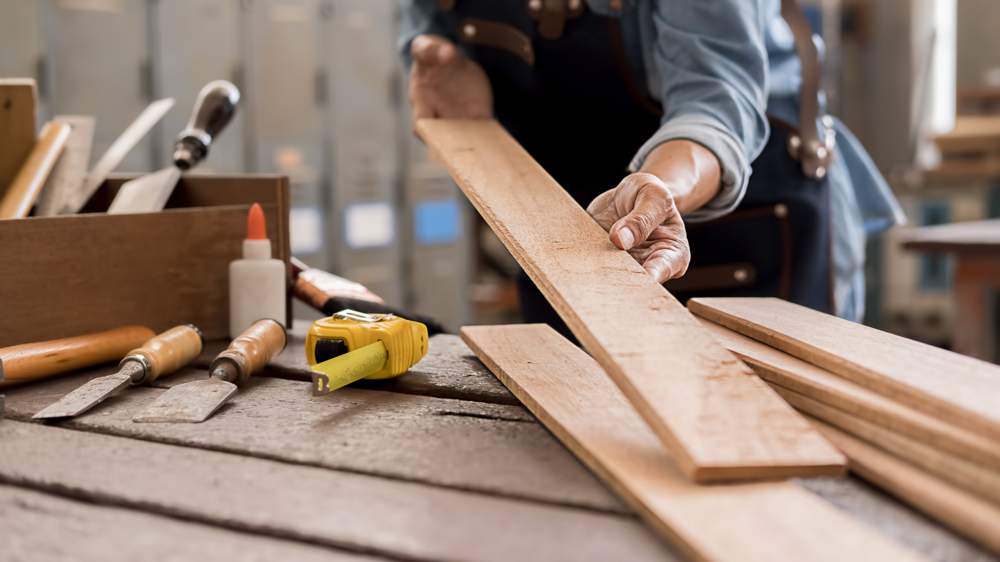
Woodworking at home isn't just about building furniture—it's a way to bring new energy and focus into your life. With even a few basic tools, anyone can enjoy the satisfaction that comes from working with their hands. You'll discover how simple projects can spark your creativity and help you unwind after a busy day.
Whether you're looking for a new hobby or hoping to refresh your routine, woodworking offers rewarding results. This guide shares what you need to know to get started, along with clear steps that keep safety, skill, and enjoyment in focus.
Setting Up a Safe and Productive Home Workshop
Before starting any woodworking project, it’s smart to set up a workspace where you can work safely and keep your tools organized. The right setup helps you focus, work clean, and protect your health. Whether you have a big basement or a spot in your garage, careful planning will pay off.
Choosing the Right Workspace
Choosing a space for woodworking shapes your entire experience. Pick a spot with enough room for your main workbench, storage, and tool use—without crowding.
- Space Needs: For small homes, a section of the garage, a shed, or a basement corner works. A dedicated area keeps sawdust and noise out of living spaces.
- Noise: Pay attention to walls and doors. Choose a spot away from bedrooms and neighbors. Use rugs or foam mats to dampen sound on hard floors.
- Layout: Leave clear walkways around your workbench. Store heavy tools close to the ground. Use wall hooks and shelves for hand tools to save bench space.
- Storage & Organization: Pegboards, stackable bins, or magnetic strips control clutter. Label drawers so you can find screws, blades, and fittings quickly.
A well-chosen workshop area helps set the right routine. The best workspace is one you’ll want to keep coming back to. This guide offers some tips for a kick start.
Workshop Safety Basics
Every safe workshop starts with simple habits and the right equipment. Even small accidents can cause big setbacks, so put safety first.
- Protective Gear: Always wear safety glasses or goggles. Use hearing protection for saws or sanders. Dust masks or respirators protect your lungs from fine particles.
- Safe Storage: Keep sharp blades and bits out of reach of kids or pets. Return tools to their racks or drawers after every use.
- Fire Safety: Never store flammable materials near electric tools. A small fire extinguisher on the wall adds peace of mind.
- Clean Floors: Sweep dust and wood shavings often. Spills and clutter can trip you or dull your tools.
- First Aid: Keep a basic first aid kit within reach. Include bandages, antiseptic, and tweezers for splinters.
Strong routines make staying safe second nature. You’ll spend less time worrying and more time building projects you enjoy.
Essential Lighting and Ventilation
Good lighting and fresh air keep your workspace comfortable and your projects coming out right. These basics go beyond comfort—they protect your eyes and your lungs for years to come.
- Lighting: Aim for bright, even light. Overhead LEDs cut shadows and help you spot wood grain or small markings. Add a desk lamp or clamp-on light for detail work around the bench.
- Natural Light: A window can lift your mood and show wood’s true color. If possible, work near a window to save on electricity.
- Ventilation: Saws and sanders kick up fine dust, even with a vacuum. An open window or a box fan helps move dust out. For serious projects, a shop air filter or portable dust extractor is a smart upgrade.
- Humidity: Keep your workshop dry to protect tools from rust and wood from warping. A small dehumidifier can handle a damp basement or shed.
Lighting and fresh air do more than just help you see and breathe—they keep your focus strong, your workspace safe, and your results sharp.
Essential Tools and Materials for Beginners
Setting yourself up with the right tools and materials gives you a strong foundation for woodworking at home. A well-chosen kit won’t just cut costs and clutter—it builds confidence. Here’s what you need to get started, from the first saw to the best wood for simple projects.
Hand Tools Every Woodworker Needs
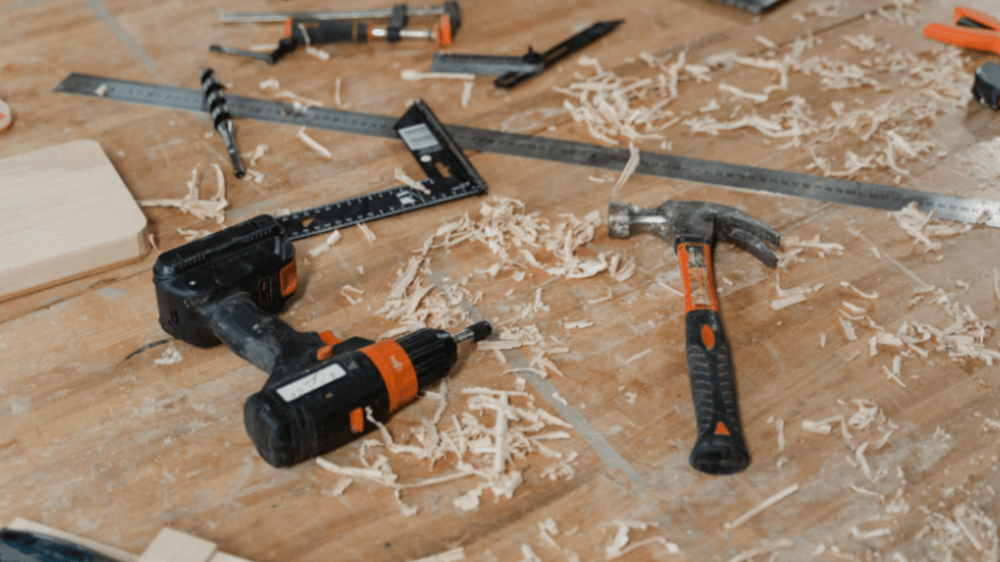
Hand tools put control in your hands. They teach you how wood behaves, and they don’t take up much space. Build your first toolkit with these essentials:
- Tape Measure: Reliable, easy to read, and long enough for furniture work—usually 16 or 25 feet.
- Claw Hammer: Choose a 16-ounce hammer. It’s heavy enough for driving nails but light enough for control.
- Combination Square: Useful for straight lines, angles, and checking depth. This keeps your cuts square and accurate.
- Chisels: Start with a set of three—usually 1/4", 1/2", and 1". Go for ones with sturdy handles.
- Hand Saw: A quality crosscut saw is great for most first projects. It’s good for cutting boards and small panels. A hand saw offers precision for beginners.
- Screwdrivers: Get both flat-head and Phillips. Sturdy handles and a magnetic tip save frustration.
- Block Plane: This helps you smooth edges and shave down wood for a perfect fit.
- Utility Knife: Handy for marking and trimming.
Safe handling tips:
Always cut or saw away from your body. Keep handles dry and clean for better grip. Work on a stable surface and store sharp tools out of reach of children.
Beginner-Friendly Power Tools
Once you’ve built a few projects by hand, try adding a few power tools. These save time and open up new types of work.
Here’s a list of beginner power tools worth the investment:
- Cordless Drill: Use this for drilling holes, driving screws, and mixing finish. Get a variable-speed model with a good rechargeable battery.
- Random Orbital Sander: This makes sanding faster and helps you get a smooth finish without swirl marks.
- Jigsaw: Good for curved or straight cuts in thin boards and plywood. Pick one with speed control.
- Circular Saw: A circular saw cuts longer boards and sheet goods with power and accuracy.
- Shop Vac (or small dust extractor): Keeps dust and chips out of your workspace. Good for your lungs and your shop’s tidiness.
Power tool safety:
Wear safety glasses every time. Unplug tools before switching blades or bits. Keep fingers away from blades, and never rush cuts.


Selecting Quality Wood and Supplies
Choosing the right type of wood sets you up for success. For home projects, stick to reliable woods and buy supplies from trusted stores.
Best woods for beginners:
- Pine: Soft, easy to cut, affordable, and found in most hardware stores. Great for practice and first projects.
- Poplar: Slightly harder than pine, smooth grain, resists warping, and takes paint well.
- Cedar: Soft and lightweight, good for outdoor work because it resists rot. Smells pleasant, too.
- Plywood: Strong, stable, comes in big sheets—perfect for shelves, cabinets, and storage units.
Key supplies:
Stock up with a small supply kit:
- Carpenter’s glue for strong bonds.
- Variety pack of wood screws and finishing nails.
- Sandpaper in grits from 80 (coarse) to 220 (fine).
- Wood filler for patching and fixing gaps.
Pick straight boards free of knots and splits for best results. Ask store staff to help you choose if you’re not sure—or look for flat, smooth, and even pieces.
By starting with these core tools and materials, you’ll build skills, confidence, and a workshop you look forward to using.
Basic Woodworking Skills to Learn First
Building a strong woodworking foundation starts with getting the basics right. Simple skills form the backbone for every project, big or small. By learning to measure, cut, and finish wood with care, you’ll see quick improvement in both your results and your confidence. Focus on developing a steady hand and sharp eye—these habits are more useful than any expensive tool at the start.
Measuring and Marking Accurately

Precise measuring and marking are the building blocks of every woodworking project. A small mistake early on can mean parts don’t fit or shelves sit crooked. Set yourself up for success with a few simple but effective habits:
- Use a sharp pencil or a marking knife for lines. Faint or wide marks can leave you guessing.
- Always measure twice, cut once. It seems basic, but it saves wood and prevents headaches.
- Hold your tape measure steady and check that it sits flat against the wood.
- Mark from the same end each time to avoid adding up small errors.
- For right angles and straight lines, use a combination square. This simple tool helps you avoid crooked joints and wobbly legs.
Consistency matters more than speed. If you practice good technique in measuring and marking, your entire project will come together with less trouble down the line.
Straight Cuts and Basic Joints
Straight, clean cuts are the backbone of sturdy furniture and shelves. Even with basic tools, you can create connections that hold and look good.
- Support your wood securely before cutting. A stable work surface (like a workbench or sturdy table) keeps blades from wandering.
- Let the saw do the work. Don’t rush or force the blade; smooth, steady strokes give the best results.
- Start with straight cuts: Crosscuts and rip cuts are common. Practice both on scrap wood to get a feel for each process.
When it comes to joints, begin with these basics:
- Butt Joint: The ends of two pieces meet at a right angle. Simple and commonly used.
- Lap Joint: Pieces overlap for extra strength. Mark accurately so the overlap is flush.
- Dowel Joint: Wooden pegs connect two pieces for hidden strength; use dowel markers for alignment.
Learning to handle even a hand saw well takes practice, but small projects like picture frames or shelves are perfect exercises for your new skills. Neat cuts and careful joints help your projects last longer and look more professional.
Sanding and Finishing Techniques
Great woodworking results don’t stop after assembly. Sanding and finishing are what make a piece smooth to the touch and pleasing to the eye.
Start simple with these tips:
- Begin sanding with coarse grit (such as 80). Move up to finer grits (like 120, then 220) for a silky finish.
- Always sand with the grain to avoid scratches that stand out, especially in soft woods.
- Use a sanding block or sponge for flat surfaces. Your hand alone can round edges too much.
- Wipe down with a tack cloth or a damp rag to remove dust between sanding steps.
When finishing:
- Test your finish on a scrap of the same wood.
- Apply thin, even coats of stain or varnish, using a brush or cloth.
- Let each layer dry fully and sand lightly before adding another.
A good finish protects your work and brings out the natural character of the wood. Take your time—these details make the difference between “just okay” and “something you’re proud to show off.”
Popular Home Woodworking Projects
Building projects at home helps you strengthen basic skills and bring your space to life with useful, beautiful items. The best part? You can pick ideas that match your experience—whether you’re starting out or ready to take on a challenge. From quick decor to sturdy furniture, popular woodworking projects offer something for every level.
Easy Starter Projects
Starting simple is the smartest way to build confidence. These quick wins use basic tools and materials, so you can see results in a weekend.
- Wall Shelves: Small, floating shelves use just a few boards, wood screws, and a finish of your choice. They’re perfect for books, plants, or kitchen spices. Learning to measure and make straight cuts really pays off here.
- Wooden Picture Frames: Frames teach accuracy in measuring and joining corners. All you need is a saw, glue, and a clamp or two. It’s also a chance to practice sanding and finishing small surfaces.
- Tablet or Book Stand: This project uses simple joints and right angles. Make one with offcuts from other projects. It helps organize your desk or kitchen counter.
- Coasters or Small Trays: Great for scrap wood and practicing smooth sanding. Try adding a groove around the edge with a chisel for extra style.
Key skills developed: measuring, marking, straight cuts, simple finishing.
Intermediate Projects for Skill Building

Once you’re comfortable with tools and basic joints, move up to projects that challenge your accuracy and patience. These not only improve your skills but produce lasting pieces you’ll use every day.
- Step Stool: Includes both straight and angled cuts. A step stool teaches you about joinery strength and stability. Paint or stain it for kitchen, closet, or workshop use.
- Side Table or Nightstand: Building a small table gives you practice with repeat cuts, attaching legs, and leveling feet. Try adding a shelf or drawer for a bit of extra skill work.
- Simple Bench: A basic bench uses thick boards and sturdy supports, often joined with screws and glue. Focus on strong joints and sand the seat smooth. Finish with outdoor-grade sealer for a garden bench.
- Tool Storage Rack: Organize your growing tool collection with a custom wall rack. Drill holes and cut slots for hammers, screwdrivers, or chisels. A rack keeps your workspace tidy and tools easy to grab.
Key skills developed: repeat measuring, working with larger pieces, introduction to angled cuts and joint types
Projects for Function and Style
Woodworking lets you make things that look great and serve a clear purpose. These projects combine solid function with personal style—ideal for adding character to your home.
- Custom Shelving Units: Adjust the size and shape to fit your space exactly—over the toilet, along a hallway, or for a kids’ room. Add finishing touches like edge trim or decorative brackets.
- Coffee Table: A coffee table offers plenty of space for creativity. Use pocket holes for strong hidden joins or add a shelf underneath. Sand edges round for comfort and safety.
- Planters and Window Boxes: Build long planters for outside or small boxes for window sills. Use rot-resistant woods like cedar and drill drainage holes in the bottom. Paint or stain for a pop of color.
- Entryway Organizer or Key Rack: Hang keys, hats, or mail where you need them. Combine hooks with a small shelf for sunglasses or wallets. Personalize with paint or a wood-burned message.
Key skills developed: assembly of larger parts, creative finishing, functional design, adding custom details
Each project level is a building block for the next. Start where you feel ready, and you’ll see real growth with every piece you make.
Tips for Success and Ongoing Improvement
Learning woodworking at home works best as a steady process. Growth comes from building skills, keeping your workshop organized, and drawing inspiration from others. Staying curious, planning ahead, and reaching for small wins each week help you make clear progress over time.
Practicing Skills with Small Projects
Success comes from hands-on practice—not just reading or watching videos. Small projects let you focus on one or two skills at a time. This helps you build confidence and see steady improvement.
- Start with simple builds: Make coasters, picture frames, tool racks, or small boxes. Each one helps you get comfortable with measuring, cutting, joining, and finishing.
- Set a clear goal: Pick a project that fits your skill level. Break larger ideas into smaller steps so you don’t get stuck.
- Repeat techniques: Try making the same item several times. You’ll spot mistakes, fix them, and refine your work.
- Track progress: Keep a notebook or take photos of each project. Jot down what worked well and what you’d do differently next time.
Small projects feel manageable, avoid waste, and encourage you to keep building.


Staying Organized in a Home Workshop
Order in your workspace leads to smoother, safer work and better results. A tidy, organized workshop keeps ideas flowing and prevents lost time searching for what you need.
Use these habits to stay organized:
- Return tools after each use: Put tools and supplies back after every step. Boards, saws, and finished pieces all need a clean home.
- Label everything: Bins, drawers, and shelves work better with clear labels. You’ll save time and stress.
- Plan your workflows: Arrange your space so you can move from measuring to cutting to assembly without crossing back and forth.
- Keep a cleanup routine: Clear off your bench and sweep up dust after every session. This prevents accidents and protects your projects.
A well-organized shop saves time, keeps work safe, and makes starting your next project feel easy.
Learning from Online Resources and Community Support

You don’t need to learn woodworking alone. People all over the world share tips, plans, and support that can shorten your learning curve and spark new ideas.
- Online tutorials and videos: YouTube channels like Free Online Woodworking School and other woodworking blogs break down everything from tool basics to advanced joinery. Watch real work and listen for tips before you try on your own.
- Project plans and forums: Free and paid plans walk you through each step. Forums and Facebook groups answer questions fast and provide feedback on your builds.
- Social media inspiration: Instagram, Pinterest, and Reddit show off new projects, offer quick wins, and connect you with others at the same level.
- Local courses and meetups: Community centers, libraries, and hardware stores sometimes offer woodworking classes or clubs. These help you meet people, ask questions in person, and see different techniques up close.
Learning from others helps you avoid common mistakes, try new ideas, and stay motivated. Community gives you a sense of shared progress—and a push to keep improving.
Conclusion
Woodworking at home proves that practical skills and creativity go hand in hand. With a solid workspace, simple tools, and a reliable routine, you set the stage for real progress. Each project—no matter how small—gives you something to show for your effort and time.
Every cut, joint, and finish brings lasting value to your everyday life. As your skills grow, you gain confidence and a deeper connection to the things you build. There’s real satisfaction in shaping wood into something useful and lasting.
Keep learning, stay organized, and share your success with others. Thank you for reading—your next project could be your best yet. Let your hands and your workshop show what you’re capable of.







Your home for DIY projects, off-grid solutions,
and real-world craftsmanship.
Contact
support@charliesworkshop.net
© 2025 Charlie's Workshop