WAIT!
Don’t leave empty-handed! Grab this FREE survival & DIY guide!
Learn how to build a pro-level workshop, slash bills, and prep for any crisis even if you’re a beginner.

Get prepped, powered, and self-reliant starting today.


Setting Up Your Workshop For Woodworking and DIY Projects

Woodworking connects us to a craft that’s been shaping civilization for centuries. From simple DIY projects to professional builds, it’s a skill that empowers creativity in any workshop. Whether you’re setting up your first woodworking shop or refining techniques, mastering the basics opens doors to endless possibilities.
Want to see woodworking in action? Check out this helpful beginner's guide video. It covers essential skills every woodworker should know.
Essential Tools for Woodworking
The right tools make woodworking safer, faster, and more precise. Whether you're working on a small DIY project or outfitting a full woodworking shop, equipping yourself with high-quality hand tools, power tools, and safety gear ensures clean cuts, refined finishes, and peace of mind.
Hand Tools Every Woodworker Needs
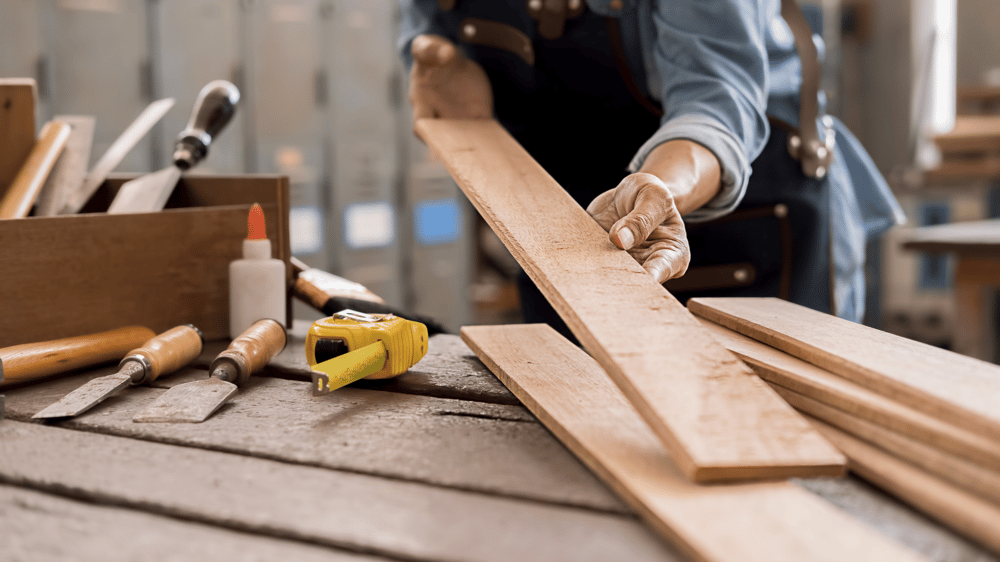
A well-stocked woodworking shop relies on hand tools for detail work and fine adjustments. Here’s what every beginner (and experienced woodworker) should have:
- Chisels – Ideal for carving, cleaning joints, and paring wood. A set with varying widths (¼" to 1") covers most tasks. For durability, look for high-carbon steel blades and ergonomic handles.
- Handsaws – Whether it’s a crosscut saw for rough cuts or a Japanese pull saw for precision, handsaws are indispensable. A dovetail saw helps with tight joinery.
- Hand planes – A jack plane levels rough wood, while a block plane smooths edges and fine-tuning fits. Many woodworkers consider them essential for traditional woodworking.
- Marking and measuring tools – A combination square, marking knife, and reliable tape measure ensure accuracy before making cuts.
Power Tools for Efficient Woodworking
Power tools speed up processes and handle tasks that hand tools can’t. If you’re setting up a woodworking shop, consider starting with these:
- Table saw – The backbone of most shops, offering accurate rip cuts, crosscuts, and dadoes. A quality fence system is key for precision.
- Router – Perfect for edge profiling, joinery, and hollowing wood. A plunge router adds versatility for internal cuts.
- Drill/driver – Essential for drilling pilot holes and driving screws. Cordless models with lithium-ion batteries provide flexibility.
- Random orbital sander – Eliminates swirl marks and makes finishing smoother. A 5" model fits most sanding discs.
Safety Equipment You Should Never Skip
Woodworking can be dangerous without proper protection. Even small workshops need these safety essentials:
- Safety goggles – Shield eyes from flying debris and dust. Anti-fog coatings improve visibility.
- Hearing protection – Power tools generate hazardous noise levels. Earplugs or earmuffs prevent long-term damage.
- Dust mask or respirator – Fine sawdust harms lungs. A respirator with a NIOSH rating filters out particles effectively.
- Cut-resistant gloves – Useful for handling rough lumber and reducing splinter risks.
A well-equipped workshop isn’t complete without a stocked first aid kit nearby. Accidents happen, and preparation saves time and worry.
Building your toolkit incrementally allows for budget-friendly upgrades and better skill development. Start with the basics, master each tool, and expand as projects demand.
Choosing the Right Wood for Your Project
The wood you pick determines how your project will look, last, and handle wear. Each type has unique strengths, textures, and costs, making it ideal for different uses. Whether you're setting up woodworking shops or tackling a DIY project, matching the wood to the purpose ensures better results.

Softwoods vs. Hardwoods: Key Differences
Softwoods like pine and cedar grow faster and are lighter, making them easier to cut and shape. They’re commonly used for framing, outdoor furniture, and beginner-friendly DIY projects because of their affordability and workability. Pine, for instance, accepts stains well but can dent easily, so it’s better for low-traffic pieces.
Hardwoods such as oak and maple are denser, lasting longer with heavy use. These woods excel in fine furniture, flooring, and cabinetry due to their durability and rich grain. Oak resists wear, and maple’s smooth surface suits tabletops. While costlier, hardwoods pay off in longevity.
Budget-Friendly Wood Options
Starting with affordable wood reduces stress while learning. Here’s what works well without breaking the bank:
- Pine – Readily available at home centers, perfect for shelves and simple furniture.
- Poplar – A step up from pine, it’s stable for painted projects like cabinets.
- Plywood – Great for structural parts of builds when paired with solid wood for visible edges.
Look for discounted lumber at local mills or reclaimed wood sources.


Exotic Woods and Specialty Lumber
For unique grain patterns and colors, exotic woods like purpleheart or zebrawood stand out. These woods often require sharper tools and experience to handle their density. Common uses include high-end furniture, musical instruments, and decorative accents.
If you're exploring exotics, look for suppliers that offer kiln-dried options to minimize warping. Keep in mind that working with these woods often demands advanced techniques.
Basic Woodworking Techniques
Mastering fundamental woodworking techniques separates amateurs from skilled craftsmen. These core skills ensure precision, efficiency, and durability in every DIY project, whether you’re setting up woodworking shops or tackling small repairs.
Measuring and Marking for Precision
Accuracy begins before the first cut. A misplaced line or uneven measurement can waste wood and compromise structural integrity. Always use sharp pencils or marking knives for clear, thin lines. Combination squares, tape measures, and marking gauges help maintain consistency.
Key tips:
- Pine – Readily available at home centers, perfect for shelves and simple furniture.
- Plywood – Great for structural parts of builds when paired with solid wood for visible edges.
- Use reference edges – Mark from a single straight edge to avoid cumulative errors. Double-check measurements – Verify dimensions before cutting.
Cutting and Shaping Wood
Handsaws, chisels, and power tools each demand unique techniques:
- Straight cuts – Keep saw blades perpendicular to the wood. Let the tool do the work without forcing it.
- Chisel work – Cut inward from edges to prevent splintering. Use mallet taps for controlled depth.
- Sanding – Progress from coarse to fine grits for smooth surfaces.
Crosscutting, ripping, and shaping require practice. The Crucible’s woodworking techniques guide covers essential methods.
Joining Wood: Methods and Tips
Strong joints define lasting projects. Common techniques include:
- Butt joints – Simple but weak; reinforce with screws or glue blocks.
- Dovetails – Interlocking fingers for strength in drawers and boxes.
- Mortise and tenon – Ideal for furniture frames due to robust load-bearing.
Designing Your Woodworking Project
Every woodworking project starts with a solid plan. Without clear design choices, even the best tools and materials can lead to frustration. Whether you're working in small woodworking shops or tackling a DIY project at home, thoughtful preparation ensures smoother execution and better results.
Planning Your Layout
Begin with rough sketches to visualize the project. Paper and pencil work, but digital tools like SketchUp offer precision for complex designs. Break the build into parts—legs, panels, shelves—and note dimensions clearly.
Key steps:
- Sketch first – Outline proportions and joinery methods before cutting.
- Create a cut list – Record exact lumber sizes to minimize waste.
- Test joints – Dry-fit pieces before final assembly to catch errors early.
Adjusting Plans for Skill Level
Beginners should start with straightforward builds—bookshelves, small tables, or storage boxes. Avoid intricate joinery or delicate wood types until you’ve mastered foundational skills.
Simple projects build confidence:
- Work with softwoods – Pine and cedar are forgiving for early mistakes.
- Opt for basic joints – Butt joints with screws or pocket holes simplify assembly.
- Scale down designs – A miniature version helps practice techniques before committing to larger pieces.


Incorporating Aesthetic Details
Finishes and decorative touches elevate a project from functional to exceptional. Choose finishes based on the wood’s natural grain and intended use:
- Oils and waxes – Highlight natural texture while protecting surfaces.
- Paint – Hides imperfections but requires thorough sanding for smoothness.
- Stains – Enhance grain patterns; test scraps first to verify color.
Hardware like knobs, hinges, or inlays adds personality.
Setting Up Your Woodworking Shop
A well-organized workshop makes woodworking safer and more enjoyable. Whether you're carving out space in a garage or setting up a dedicated shop, smart layout choices and the right accessories will streamline your DIY projects. Here’s how to create an efficient workspace that grows with your skills.
Space and Layout Considerations
Start by measuring your available space. Even small woodworking shops can function well with careful planning. Place larger tools like table saws near the center with room for material handling. Keep hand tools and accessories within reach of your main workbench.
Key tips for shop organization:
- Prioritize safety clearance – Ensure at least 3 feet between machines for safe operation.
- Design workflow zones – Group tools by function (cutting, sanding, assembly) to minimize movement between tasks.
- Use vertical storage – Wall-mounted racks hold clamps, saws, and hand tools without taking up floor space.

Must-Have Shop Accessories
Beyond core tools, these extras will improve efficiency:
- Tool storage – Pegboards or drawer cabinets keep small items visible yet contained.
- Dust collection – Even a shop vacuum with attachments reduces cleanup time.
- Workbench – A sturdy, flat surface with vise grips for precision work.
- Bar clamps – Essential for glue-ups. Start with four 24" clamps and expand as needed.
Maintaining Your Tools and Workspace
Routine care extends tool life and keeps your shop functional:
- Sweep sawdust daily – Accumulated dust is a fire hazard and dulls cutting edges.
- Sharpen regularly – Dull chisels or plane blades require more force and create ragged cuts.
- Clean tools after use – Wipe blades and surfaces to prevent rust.
Conclusion
Woodworking blends creativity with practicality, turning raw materials into functional beauty. The satisfaction of shaping wood by hand or machine never gets old. Every project, big or small, builds confidence and sharpens skills.
Start simple. Pick a DIY project that excites you, gather your tools, and make your first cut. Visit local woodworking shops for inspiration and advice from experienced craftsmen. Whether you build a shelf, a table, or a keepsake box, the joy comes from bringing an idea to life.
The craft rewards patience while offering endless ways to grow. Keep learning, keep building, and let each piece tell its own story.







Your home for DIY projects, off-grid solutions,
and real-world craftsmanship.
Contact
support@charliesworkshop.net
© 2025 Charlie's Workshop