WAIT!
Don’t leave empty-handed! Grab this FREE survival & DIY guide!
Learn how to build a pro-level workshop, slash bills, and prep for any crisis even if you’re a beginner.
Get prepped, powered, and self-reliant starting today.


The Essential Prepper's List: How to Prepare for Any Emergency
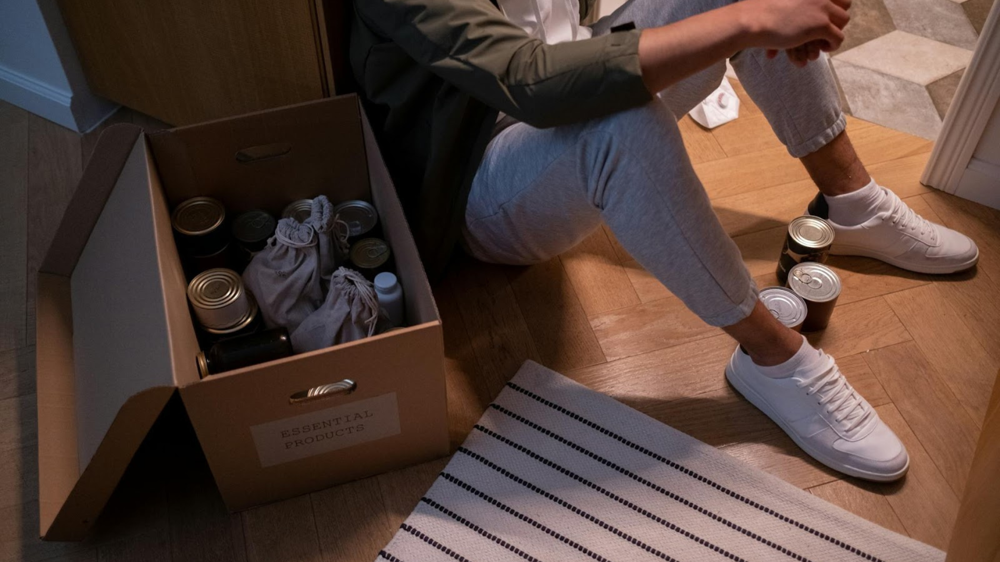
Emergencies strike without warning, and being prepared can mean the difference between safety and struggle. A preppers list helps you organize essentials, so you’re ready for anything from power outages to natural disasters. Whether you’re new to preparedness or refining your plan, this guide breaks down the must-haves in simple, actionable steps.
Starting with a solid foundation ensures you won’t overlook critical supplies. A preppers list keeps priorities clear—food, water, shelter, and security—so you can focus on staying ahead of emergencies. Let’s get straight to what matters most.
Water: The Most Critical Resource
Water isn’t just a basic need—it’s the backbone of survival. Without it, even the best-prepared preppers list falls short. Dehydration sets in fast, and emergencies often disrupt supply lines. Securing clean water should be your top priority.
How Much Water You Need
The average person requires at least one gallon per day for drinking and sanitation. Double that in hot climates or for active individuals. A family of four needs a minimum of 12 gallons for a three-day supply. Storing two weeks’ worth is ideal for extended crises.
- Short-term (3 days): 3 gallons per person
- Medium-term (2 weeks): 14 gallons per person
- Long-term (1 month+): Rotate storage and include purification tools
Even if you buy new components, the total price usually stays below retail. Used or salvaged parts can slash costs further without sacrificing reliability.
Best Containers for Water Storage
Not all containers are equal when storing water long-term. The right material keeps water fresh and free from contaminants.
- Stainless Steel – Durable and non-reactive, ideal for long-term storage. It resists leaching and corrosion but is heavy and expensive.
- Food-Grade Plastic (BPA-Free) – Lightweight and affordable. Look for containers marked “HDPE #2” or “LDPE #4” for safe storage.Glass – Excellent for avoiding chemical leaching but fragile and impractical for large quantities.
- Water Bricks – Stackable and space-efficient, these are perfect for tight storage areas.
Rotate stored water every six months to maintain freshness. Keep containers away from sunlight and chemicals to prevent degradation.
Methods for Purifying Water
When stored water runs low, knowing how to purify questionable sources is critical. Here are the most effective methods:
- Boiling – The simplest method. Bring water to a rolling boil for at least one minute (three minutes at high altitudes) to kill pathogens.
- Chlorine Bleach – Add 1/8 teaspoon of unscented household bleach (5-6% sodium hypochlorite) per gallon of water. Let it sit for 30 minutes before drinking.
- Water Filters – Portable filters like LifeStraw or Sawyer Mini remove bacteria and protozoa but may not eliminate viruses. Pair with chemical treatment for full protection.
- UV Light – Devices like SteriPEN use ultraviolet light to neutralize microorganisms in clear water.
- Solar Disinfection (SODIS) – Fill clear plastic bottles and place them in direct sunlight for 6+ hours. UV rays and heat kill harmful organisms.
For cloudy water, always filter it first with a cloth or coffee filter before purifying.
Food Supplies for Short and Long Term
Food is the next critical item on a preppers list after water. It fuels your body and keeps morale high during stressful situations. Whether planning for a short-term disruption or long-term survival, the right food choices make all the difference. Balance shelf life, nutrition, and practical accessibility to build a stockpile that works when you need it.
Non-Perishable Food Choices
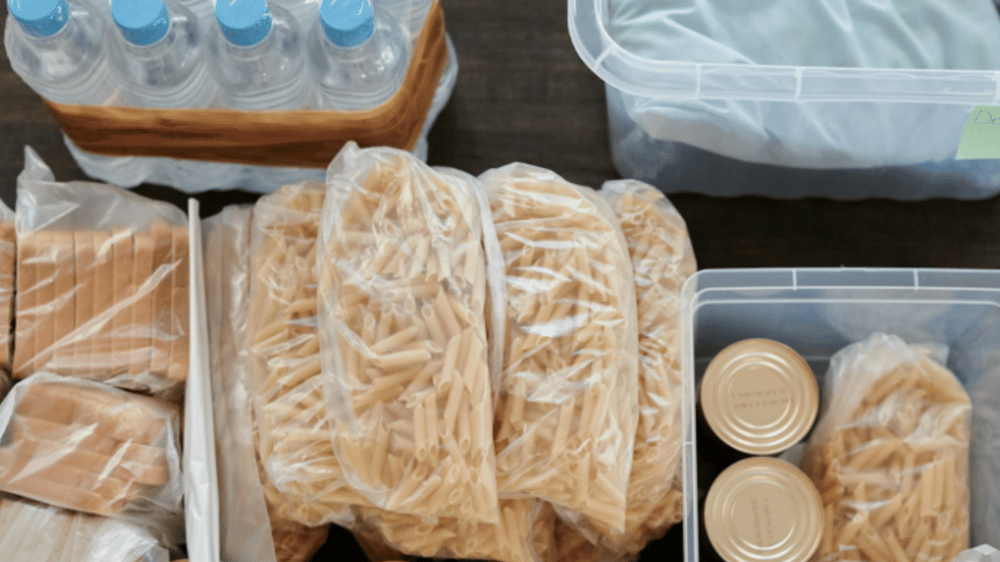
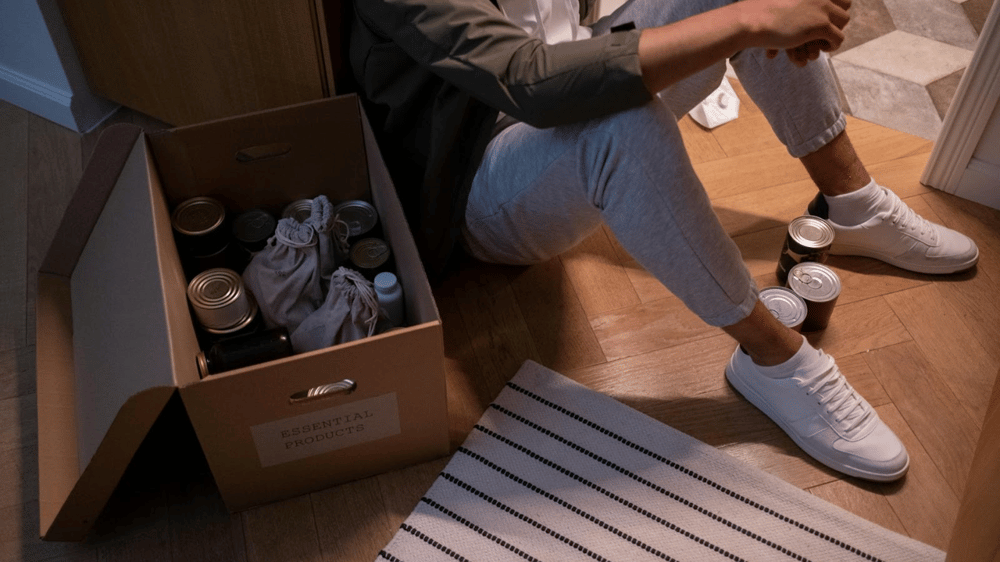
Non-perishable foods last for months or years without refrigeration, making them ideal for emergencies. Prioritize items that require minimal preparation and provide high energy.
Here’s what to stock:
- Canned goods: Vegetables, beans, and meats (opt for pull-tab lids if possible).
- Dry staples: Rice, pasta, oats, and lentils in airtight containers.
- Protein sources: Nut butters, jerky, and powdered milk.
- Comfort foods: Coffee, tea, and chocolate for mental well-being.
Rotate stock every 6-12 months to maintain freshness. Label items with expiration dates to avoid waste.
For a detailed breakdown of the best survival foods, check out this Best Survival Foods List for Preppers.
Growing and Preserving Your Own Food
Self-sufficiency reduces reliance on store-bought supplies. Start small with easy-to-grow vegetables like tomatoes, peppers, and herbs if space is limited. For long-term resilience, learn preservation techniques to extend shelf life.
Key methods:
- Canning: Safe for meats, vegetables, and fruits with proper sterilization.
- Dehydrating: Removes moisture from fruits, vegetables, and meats for compact storage.
- Fermenting: Enhances nutrition and creates probiotic-rich foods like sauerkraut.
Even a small garden can supplement your food supply. Focus on high-yield crops and save seeds for future planting.


Shelter and Clothing Essentials
When building a preppers list, shelter and clothing often get overlooked—until conditions turn harsh. Exposure to cold, rain, or extreme heat can quickly become life-threatening. Proper protection isn’t just about comfort; it’s a critical layer of survival.
Emergency Shelter Options
A reliable shelter shields you from the elements and provides a safe base. Your options depend on your environment, mobility needs, and the severity of the emergency.
Consider these shelter types:
- Tents: Lightweight and portable, ideal for bug-out bags. Choose weather-resistant models with reinforced seams.
- Tarps: Versatile for quick setups. Pair with paracord to create lean-tos or A-frame shelters.
- Underground or fortified spaces: Basements or storm cellars offer protection from high winds and debris.
- Bivy Sacks – These waterproof, insulated sleeping bags trap body heat.
- Debris Huts – If stranded without gear, build a shelter using natural materials. Follow this step-by-step debris hut guide.
In urban areas, abandoned buildings or parked vehicles might serve as temporary refuge. Always scout locations for stability and safety risks.
Layering Clothing for Survival
Clothing is your first line of defense against temperature swings. Layering traps warmth while allowing adjustments for activity level or weather changes.
Base layer: Moisture-wicking fabrics like wool or synthetic blends keep sweat away from your skin. Avoid cotton—it holds moisture and accelerates heat loss.
Insulation layer: Fleece or down retains body heat. Choose mid-weight options for balance between warmth and bulk.
Outer layer: Windproof and waterproof materials (Gore-Tex or coated nylon) shield against rain and wind. Look for reinforced stitching and adjustable hoods.
Pack extras like gloves, thermal socks, and a wide-brimmed hat. Wet clothing loses insulation value fast—bring a spare set.
Tools for Building or Repairing Shelter
Improvisation is key when prefab shelters fail or materials are scarce. Equip yourself with tools to construct or reinforce protection.
Must-have items:
- Fixed-blade knife (for cutting branches or cordage)
- Multi-tool (pliers, saw, and screwdriver functions)
- 50+ feet of paracord (for lashing supports or hanging tarps)
- Heavy-duty duct tape (patching holes or reinforcing weak points)
Practice building basic shelters before you need to rely on these skills. Familiarity with knots like the bowline or taut-line hitch makes setups quicker and sturdier.
Shelter isn’t just a place to sleep—it’s a strategy for staying alive. Prioritize durability and adaptability in your choices.
First Aid and Medical Preparedness
Emergencies don’t wait for professional help to arrive. Including medical readiness in a preppers list ensures you can handle injuries, illnesses, and long-term health needs when resources are scarce. Whether it’s a minor cut or a life-threatening situation, having the right supplies and knowledge keeps you and your family safe.
Basic First Aid Supplies
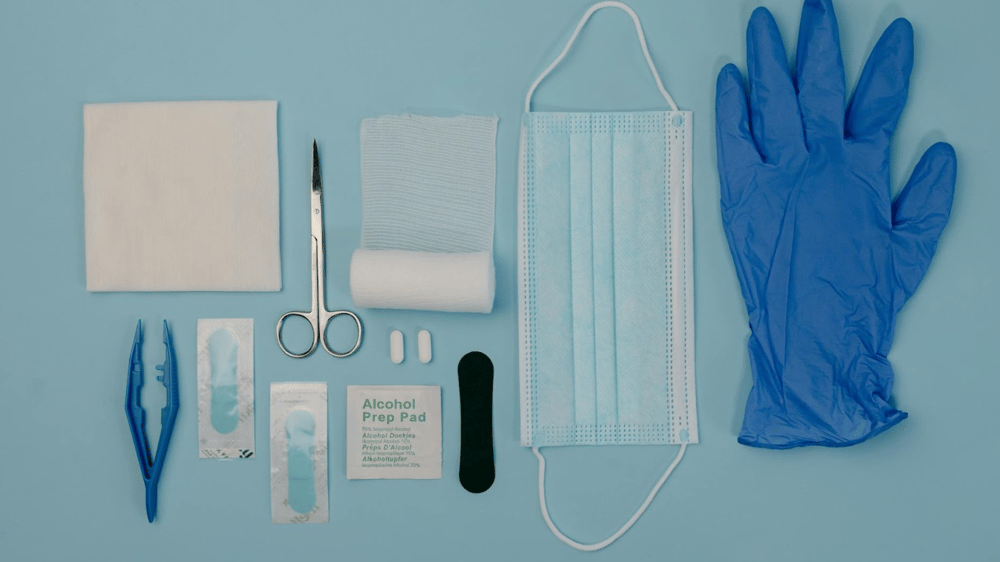
Every prepper’s kit should start with a well-stocked first aid supply. Store items in a waterproof, organized container for quick access during emergencies. Focus on versatility—you won’t have room for specialized gear in every scenario.
Essentials to include:
- Adhesive bandages (multiple sizes)
- Sterile gauze pads and rolls
- Antiseptic wipes and ointment
- Medical tape and scissors
- Tweezers and splinter removers
- Pain relievers (ibuprofen, acetaminophen)
- Antihistamines for allergic reactions
Add a first aid manual with step-by-step instructions. Training matters—take a basic first aid course to practice using these supplies effectively.
Handling Medical Emergencies Without Help
When hospitals are inaccessible, you become the first responder. Quick decisions and calm actions save lives. Learn to assess injuries, stop bleeding, and stabilize fractures until professional help is available.
Key skills to master:
- CPR: Chest compressions and rescue breathing keep oxygen flowing.
- Tourniquet use: Controls severe bleeding in limbs.
- Splinting: Immobilizes broken bones with rigid supports.
- Burn care: Cool burns with clean water, avoid ice or ointments on severe cases.
Keep emergency contact numbers and poison control info in your kit. Improvisation helps—belts work as tourniquets, and clean shirts become bandages.
Personal Medications and Special Needs
Chronic conditions don’t pause for disasters. Stock extra prescriptions and over-the-counter meds to bridge gaps in medical access. Rotate stock to prevent expiration and track refill dates.
Plan for:
- Insulin, asthma inhalers, or epinephrine pens.
- Blood pressure or heart medications.
- Allergy medications (eye drops, nasal sprays).
Include copies of prescriptions and dosage instructions. If refrigeration is needed, have cooler packs or a portable fridge option. For infants or elderly family members, add pediatric or senior-specific supplies like electrolyte solutions or mobility aids.
Medical preparedness isn’t optional—it’s the difference between surviving and thriving in a crisis. Prioritize it early in your planning.

Security and Communication
Security and communication are non-negotiables in any preppers list. When systems fail or threats arise, these elements keep your family safe and connected. Planning for both physical defense and information flow means you’re ready for disruptions, whether they last hours or months.
Protecting Your Home and Family
A secure home deters threats and gives you peace of mind. Start with basic measures, then layer on advanced strategies based on your risk level.
Essential steps:
- Reinforce entry points with deadbolt locks and shatterproof window film.
- Install motion-sensor lights to eliminate hiding spots at night.
- Keep defensive tools like pepper spray or a firearm if trained.
- Form a neighborhood watch to share alerts and resources.
Fencing, guard dogs, or even thorny landscaping can slow intruders. Practice drills with your family so everyone knows where to go and what to do.

Emergency Communication Devices
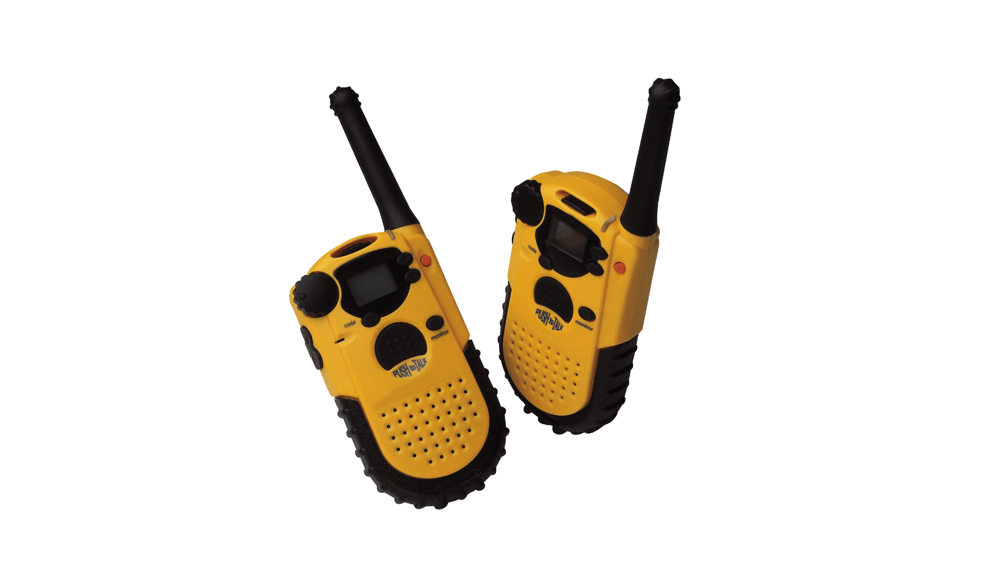
When cell towers fail, alternative communication methods keep you in touch. Prioritize devices that work without infrastructure or can function independently.
Reliable options:
- Two-way radios: Handheld models with a 20+ mile range work for local coordination.
- HAM radios: Licensed operators can reach global networks during blackouts.
- Signal mirrors or whistles: Low-tech tools for short-range alerts in the field.
Store extra batteries or solar chargers for electronic devices. Prearrange meeting points and frequencies with your group to avoid confusion.
Staying Informed During a Crisis
Information is power in emergencies. Without news updates or weather alerts, you’re operating blind. Build multiple ways to monitor situations as they develop.
Key resources:
- NOAA weather radio for real-time storm or hazard alerts.
- Hand-crank or solar-powered AM/FM radios for general broadcasts.
- Satellite messengers for sending GPS coordinates if stranded.
Bookmark emergency websites and download offline maps. Misinformation spreads fast during chaos, so cross-check details before acting.
Security and communication go hand in hand. Neglect one, and the other falters. Integrate both into your plans early.
Conclusion
A preppers list anchors your survival strategy, covering water, food, shelter, medical needs, and security. Start with the basics and expand over time. Small steps today—like stockpiling an extra gallon of water or learning first aid—build resilience for future crises.
Preparedness isn’t about fear; it’s about control. Review your supplies regularly, practice essential skills, and adapt as your needs change. The right plan turns uncertainty into confidence.
Ready to take action? Pick one area from this guide and improve it this week. Consistency beats urgency in the long run.
Share your progress below—what’s the first item you’re adding to your kit?





See other posts like this one:



Your home for DIY projects, off-grid solutions,
and real-world craftsmanship.
Contact
support@charliesworkshop.net
© 2025 Charlie's Workshop