WAIT!
Don’t leave empty-handed! Grab this FREE survival & DIY guide!
Learn how to build a pro-level workshop, slash bills, and prep for any crisis even if you’re a beginner.

Get prepped, powered, and self-reliant starting today.


Lead Acid Battery Reconditioning: Steps to Revive Dead Batteries

Most lead acid batteries fail long before they should. Sulfation, low electrolyte levels, and stratification can cut their lifespan in half, forcing you to buy replacements sooner than necessary. Reconditioning revives these batteries by reversing damage, saving money, and reducing waste. With basic tools and the right steps, you can restore performance and extend service life for years.
This guide walks you through the safest and most effective methods on how to recondition a lead acid battery. Whether it's a car, marine, or solar storage battery, the process follows the same core principles. We'll cover everything from testing to maintenance so you can avoid premature failures.
Here’s a quick video demo showing the basics before we dive in.
Understanding Lead Acid Batteries
Lead acid batteries power everything from cars to backup systems, relying on a design that's remained reliable for over a century. Though simple in principle, their internal chemistry and construction determine performance, lifespan, and failure patterns. Knowing how they work—and why they fail—helps you recondition them effectively.
How Lead Acid Batteries Work
A lead acid battery generates electricity through a reaction between lead plates and sulfuric acid. Here’s what happens inside:
- Lead Plates: The battery contains alternating positive (lead dioxide) and negative (spongy lead) plates. These are immersed in an electrolyte solution.
- Sulfuric Acid: The electrolyte—a mix of sulfuric acid and water—triggers chemical reactions that release electrons, creating electrical current when the battery discharges.
- Separators: Thin insulating layers prevent the plates from touching, avoiding short circuits while allowing ion exchange.
Discharging converts lead and acid into lead sulfate and water, while charging reverses the process. Over time, incomplete reactions or poor maintenance disrupt this cycle, causing permanent damage if not corrected.
Three main types exist:
- Flooded (Wet Cell): The most common, with liquid electrolyte that requires periodic refilling. Found in cars and industrial equipment.
- AGM (Absorbent Glass Mat): Uses fiberglass mats to hold the electrolyte, making them spill-proof and vibration-resistant. Ideal for marine and UPS systems.
- Gel: Electrolyte is thickened into a gel, offering deep-cycle durability for solar power and mobility scooters.
For deeper comparisons, see this breakdown on flooded vs. AGM vs. gel batteries.
Common Issues Leading to Failure
Lead acid batteries fail for predictable reasons, many of which can be reversed if caught early:
- Sulfation: When a battery stays discharged, lead sulfate crystals harden on the plates, reducing capacity. This is the top cause of preventable failure.
- Low Electrolyte Levels: Evaporation or leaks expose plates to air, accelerating corrosion. Flooded batteries need regular water top-offs.
- Stratification: In stationary batteries, acid concentration varies between the top and bottom, weakening performance. Equalizing charges fix this.
- Physical Damage: Cracked cases, warped plates, or loose terminals disrupt electrical flow, often requiring replacement.
Recognizing these issues early means simpler repairs. Left unchecked, they permanently kill the battery—something reconditioning aims to prevent.
Preparation for Reconditioning
Before diving into the actual steps of battery reconditioning, proper preparation sets the stage for success. Having the right tools on hand and prioritizing safety minimizes risks and ensures the process runs smoothly. Lead acid batteries contain corrosive sulfuric acid, so precautions are non-negotiable.
Gathering Necessary Tools and Materials
You'll need specific tools to test, clean, and restore your battery. Here’s what to gather:
- Voltmeter or Multimeter: Measures battery voltage to assess charge level and potential issues.
- Hydrometer: Tests electrolyte specific gravity in flooded batteries to determine acid strength. Not needed for AGM or gel types.
- Distilled Water: Only for flooded batteries—tap water contains minerals that harm battery chemistry.
- Battery Charger: A smart charger with desulfation mode is ideal for restoring sulfated batteries.
- Wire Brush or Terminal Cleaner: Removes corrosion from battery terminals and connectors.
- Baking Soda and Water Mix: Neutralizes acid spills during cleaning.
- Funnel and Syringe: Helps refill electrolyte safely without spills.
A well-organized workspace with good ventilation prevents accidents. Avoid working on concrete floors—batteries discharge faster when placed directly on them.
Safety Precautions to Follow
Sulfuric acid can cause severe burns, and hydrogen gas emitted during charging is explosive. These precautions reduce hazards:
- Wear Protective Gear:
- Acid-resistant gloves (nitrile or rubber)
- Safety goggles to shield eyes from splashes
- Long sleeves and pants to protect skin
- Work in a Ventilated Area: Hydrogen gas builds up during charging. Open garages or outdoor spaces are safest.
- Avoid Sparks and Flames: Never smoke near a battery, and disconnect charger leads before turning it on/off.
- Neutralize Spills Immediately: If electrolyte leaks, pour baking soda solution on the affected area to stop corrosion.
- Disconnect Properly: Always remove the negative terminal first when disconnecting the battery to prevent short circuits.
Handling lead acid batteries demands respect, not fear. With these tools and safety measures, you’re ready to proceed confidently.


Step-by-Step Reconditioning Process
Reconditioning a lead acid battery involves systematic steps to reverse sulfation, restore acid balance, and improve charge retention. Skipping any step reduces effectiveness. Follow this sequence for reliable results.
Cleaning the Battery Terminals and Case
Corroded terminals and dirty cases hinder performance and accurate testing. Start here:
- Disconnect the Battery: Remove the negative terminal first, then the positive to avoid sparks.
- Inspect for Damage: Check for cracks or leaks. Minor corrosion is fixable; severe damage may require replacement.
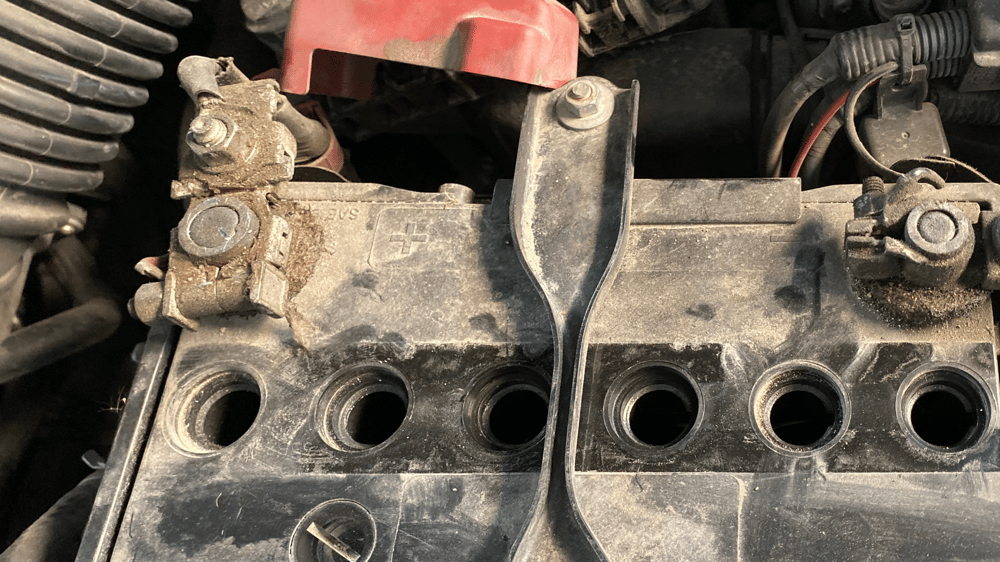
- Neutralize Acid Residue: Mix 1 tablespoon of baking soda with 1 cup of water. Scrub terminals and case with a wire brush dipped in the solution.
- Rinse and Dry: Wipe with a damp cloth, then dry completely to prevent new corrosion.
Clean connections ensure proper current flow during charging and testing.
Testing Battery Voltage and Specific Gravity

Before reconditioning, assess the battery’s state:
- Voltage Check:
- Use a multimeter set to DC volts.
- Fully charged: 12.6V or higher.
- Below 10.5V may indicate a dead cell.
- Specific Gravity (Flooded Batteries Only):
- Use a hydrometer to test each cell’s electrolyte.
- Normal range: 1.265–1.299. Lower readings suggest sulfation.
- AGM/Gel Batteries: Skip hydrometer testing; check voltage and inspect for bulging or heat damage.
Test results determine whether equalizing or additives will help.
Equalizing the Charge
Equalization fixes acid stratification and minor sulfation in flooded batteries by applying controlled overcharge. Never attempt on sealed AGM or gel batteries.
- Prepare the Battery: Ensure electrolyte levels cover the plates. Top up with distilled water if needed.
- Set Charger to Equalize Mode: If unavailable, use a manual charger at 15V for 1–2 hours. Monitor closely.
- Observe Bubbling: Light gassing is normal; excessive bubbling means stop immediately.
- Final Check: After cooling, retest voltage and specific gravity. Cells should now read within 0.05 points of each other.
This step redistributes acid concentration and breaks down soft sulfate crystals.
Adding Epsom Salts or Other Additives
For severely sulfated batteries, additives might help. Epsom salts (magnesium sulfate) can dissolve hardened sulfate deposits:
- Dissolve Epsom Salts: Mix 1 part Epsom salts with 3 parts warm distilled water until fully dissolved.
- Add to Cells: Use a funnel to pour 1–2 tablespoons into each cell of a flooded battery.
- Recharge Fully: Cycle the battery (charge, discharge, recharge) to distribute the solution.
Results vary. Additives are a last-ditch effort before recycling the battery.
Testing and Verifying Reconditioning Success
Reconditioning a lead acid battery is only half the battle—proving it worked solidifies your efforts. Without proper verification, you might assume success prematurely, leading to unexpected failures. Rigorous testing reveals whether the battery holds a charge, delivers power under load, and maintains stability over time.
Performing a Load Test
A load test measures how well the battery performs under real-world conditions, simulating actual usage rather than just checking voltage. Static voltage readings can be misleading—the true test is how the battery behaves when powering a device.
Steps to Conduct a Load Test:
- Fully Charge the Battery: Ensure it reaches at least 12.6V before testing.
- Connect a Load Tester: Use an automotive-grade tester or a known electrical load (e.g., a headlight or inverter).
- Apply Load: For a 12V battery, apply a load equal to half its CCA (Cold Cranking Amps) rating for 15 seconds.
- Observe Voltage Drop:
- Above 9.6V: The battery can still function under stress.
- Below 9.6V: Weak cells or incomplete reconditioning—retry or recycle.
Load tests expose hidden weaknesses. If voltage plummets immediately, sulfation likely persists.

Monitoring Performance Post-Reconditioning
A battery might pass initial tests but degrade quickly if reconditioning wasn’t fully effective. Track these signs over the next few days or weeks:
- Charge Retention: After a full charge, leave the battery disconnected for 24 hours. A drop below 12.4V suggests internal discharge.
- Under-Use Behavior: If the battery powers equipment but drains faster than normal, capacity remains reduced.
- Voltage Consistency: Check voltage during use. Frequent dips below 11V indicate poor recovery.
Reconditioning isn’t a one-time fix—batteries with severe damage may need multiple cycles. Regular monitoring confirms long-term viability.
Keep records of voltage readings and load test results. Comparing pre- and post-reconditioning data shows real improvement. If performance stabilizes, you’ve successfully extended the battery’s life. If not, recycling may be the responsible next step.
Maintenance Tips to Prolong Battery Life
Reconditioning a lead acid battery is just the first step—keeping it healthy long-term requires consistent care. Neglect leads to the same problems you just fixed: sulfation, corrosion, and premature failure. A few simple habits can double or even triple your battery's lifespan.
Regular Charging Practices

Lead acid batteries thrive on routine. Letting them sit discharged, even partially, accelerates sulfation. Here’s how to charge them right:
- Avoid Partial Charges: Always charge to 100%. Stopping at 80% regularly leaves sulfate deposits on the plates.
- Use a Smart Charger: These adjust voltage and current to prevent overcharging. A maintenance mode (float charging) keeps batteries full without damage.
- Recharge Immediately After Use: If your battery drops below 50% capacity, charge it within 24 hours.
- Monthly Top-Ups for Stored Batteries: Even unused batteries lose charge. A monthly top-up prevents deep discharge.

Avoiding Deep Discharges
The deeper a battery discharges, the more strain it endures. Flooded batteries handle occasional deep cycles better than sealed AGM or gel types, but all degrade faster when drained repeatedly.
- Stop at 50%: For daily use, recharge before dropping below halfway. Deep cycling (below 20%) should be rare.
- Watch for Warning Signs: Slower cranking, dimming lights, or rapid voltage drop under load mean it’s time to recharge.
- Emergency Backup Tip: If you rely on a battery for outages, test it under load monthly to confirm it hasn’t weakened.
Keeping Terminals and Case Clean
Corrosion creeps in silently, increasing resistance and reducing efficiency. A few minutes of cleaning prevents major issues:
- Terminal Checks: Look for white, blue, or green powdery buildup. Clean with baking soda paste and a wire brush.
- Tight Connections: Loose terminals cause arcing. Secure them firmly but don’t over tighten—stripped threads lead to worse problems.
- Case Wipe-Downs: Dirt and acid residue conduct electricity, causing slow discharges. Wipe the case with a damp cloth every few months.
Minor upkeep guarantees your reconditioned battery delivers power reliably. Pair these habits with quarterly voltage checks, and you’ll squeeze every possible cycle from it.
Conclusion
Reconditioning a lead acid battery saves money and reduces waste. Instead of replacing a worn-out battery, you restore its performance with basic tools and a few hours of work. This extends its life by months or even years, cutting costs and keeping harmful materials out of landfills.
The process isn’t complicated, but it requires patience and attention to detail. Follow the steps precisely—cleaning terminals, testing voltage, equalizing the charge, and monitoring results. Even partially recovering a battery beats buying a new one.
Try it yourself. Many batteries written off as dead can still serve reliably with the right care. Share your results in the comments—success stories and challenges help others learn. Every reconditioned battery is a small win for your wallet and the environment.






See other posts like this one:





Your home for DIY projects, off-grid solutions,
and real-world craftsmanship.
Contact
support@charliesworkshop.net
© 2025 Charlie's Workshop